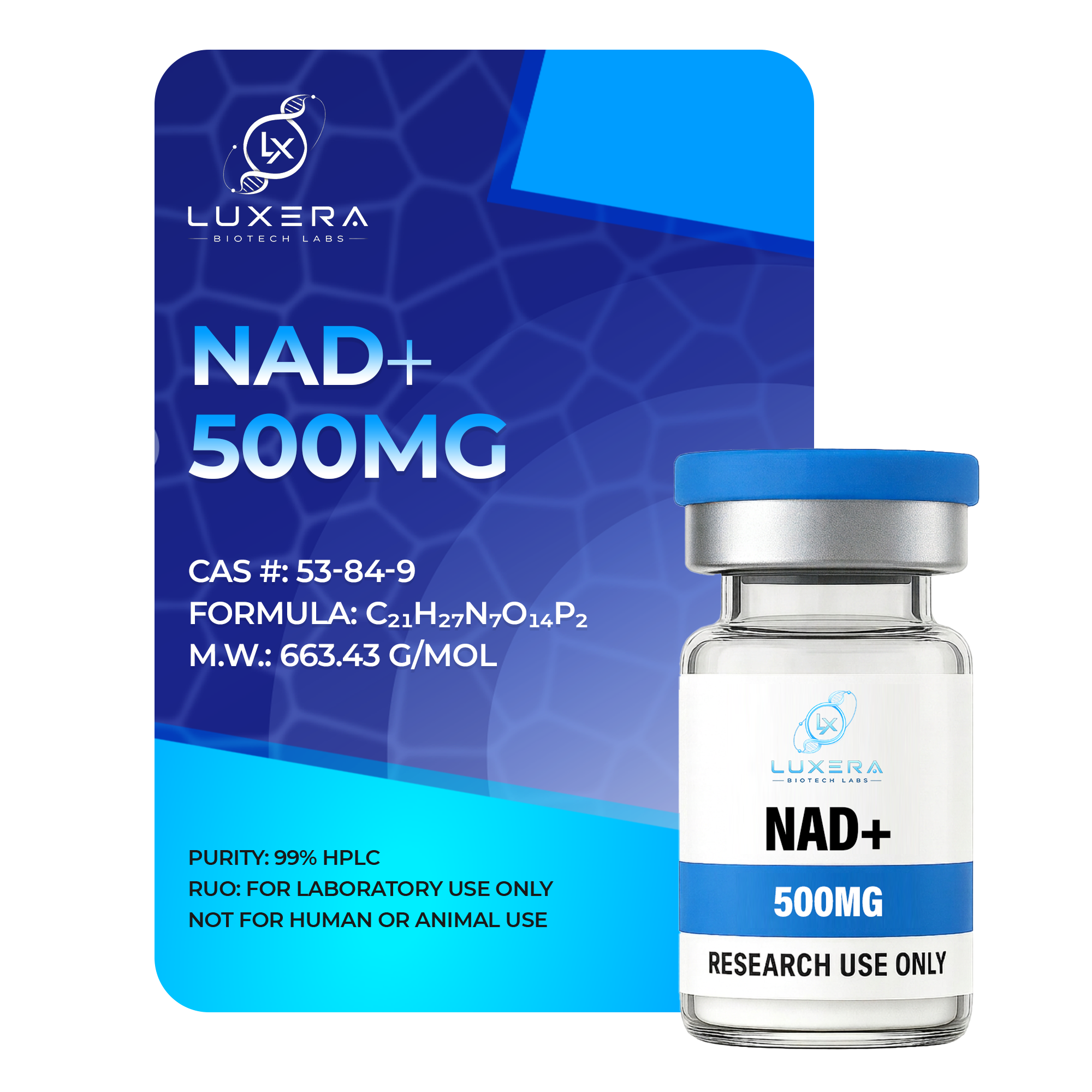
NAD+
$89.00
NAD⁺ is a vital coenzyme found in all living cells, essential for redox reactions, energy metabolism, and cellular signaling. Investigational research explores its role in aging, mitochondrial function, DNA repair, and therapeutic applications in metabolic and neurodegenerative disorders.
What Is NAD⁺?
Nicotinamide Adenine Dinucleotide (NAD⁺) is a universal coenzyme present in all eukaryotic cells, functioning as a critical electron carrier in metabolic pathways. It exists in oxidized (NAD⁺) and reduced (NADH) forms, enabling redox reactions that sustain cellular energy production. NAD⁺ is indispensable for mitochondrial oxidative phosphorylation, glycolysis, and the citric acid cycle, making it central to ATP generation.
Mechanism of Action
NAD⁺ participates in redox reactions by accepting and donating electrons, thereby driving metabolic energy transfer. Beyond energy metabolism, NAD⁺ serves as a substrate for sirtuins, PARPs (poly‑ADP ribose polymerases), and CD38 enzymes, which regulate gene expression, DNA repair, and calcium signaling. Declining NAD⁺ levels with age are linked to mitochondrial dysfunction, impaired DNA repair, and metabolic decline. Restoration of NAD⁺ through precursors such as nicotinamide riboside (NR) or nicotinamide mononucleotide (NMN) has been investigated for longevity and regenerative medicine.
Research & Clinical Data
Preclinical studies highlight NAD⁺’s role in improving mitochondrial function, enhancing DNA repair, and modulating inflammatory responses. Early human trials suggest potential benefits in metabolic disorders, neurodegenerative diseases, and age‑related decline. NAD⁺ supplementation strategies remain investigational, with regulatory approval not yet established. Its broad influence across cellular pathways positions NAD⁺ as a cornerstone of bioenergetics and aging research.
Purity & Quality
Reference‑grade coenzyme material. Certificate of Analysis available per batch. Regulatory status: investigational, not FDA‑ or EMA‑approved for anti‑aging or metabolic therapies.
Classification & Handling Class: Essential coenzyme | Source: Endogenous cellular metabolite | Administration: Oral or parenteral precursors (investigational) | Storage: 2–8°C refrigerated, protect from light | Regulatory: Not FDA/EMA approved
| Dose | 500mg |
|---|
Related products
-
All
BPC-157
Price range: $49.00 through $69.00 Select options This product has multiple variants. The options may be chosen on the product page -
All
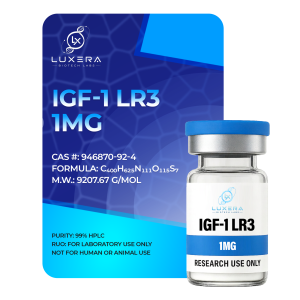
IGF-1 LR3
$99.00 Select options This product has multiple variants. The options may be chosen on the product page -
All
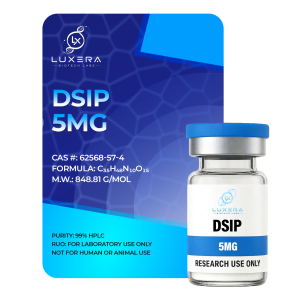
DSIP
$49.00 Select options This product has multiple variants. The options may be chosen on the product page -
All
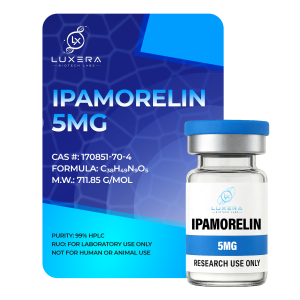
Ipamorelin
$49.00 Select options This product has multiple variants. The options may be chosen on the product page
Reviews
There are no reviews yet.