

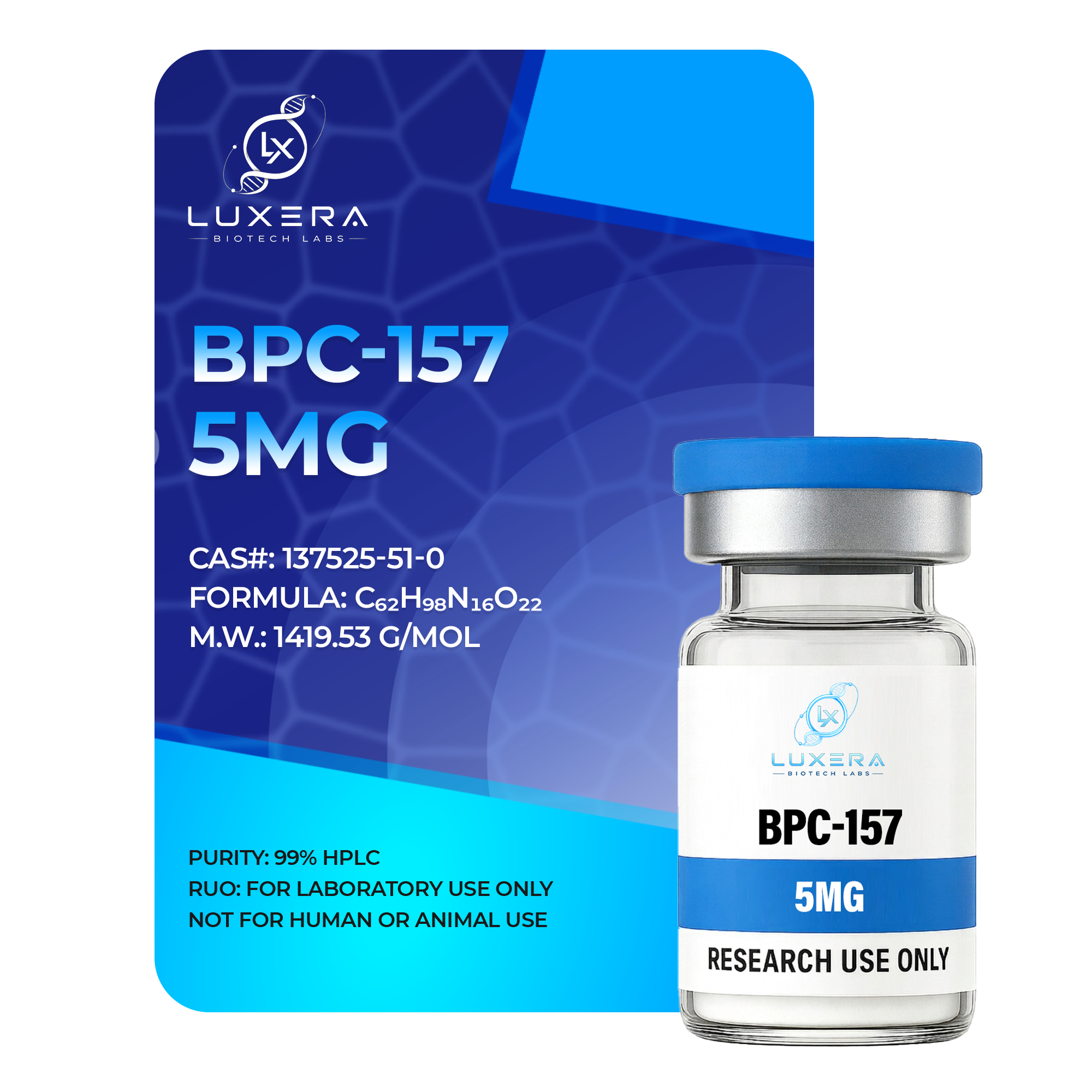
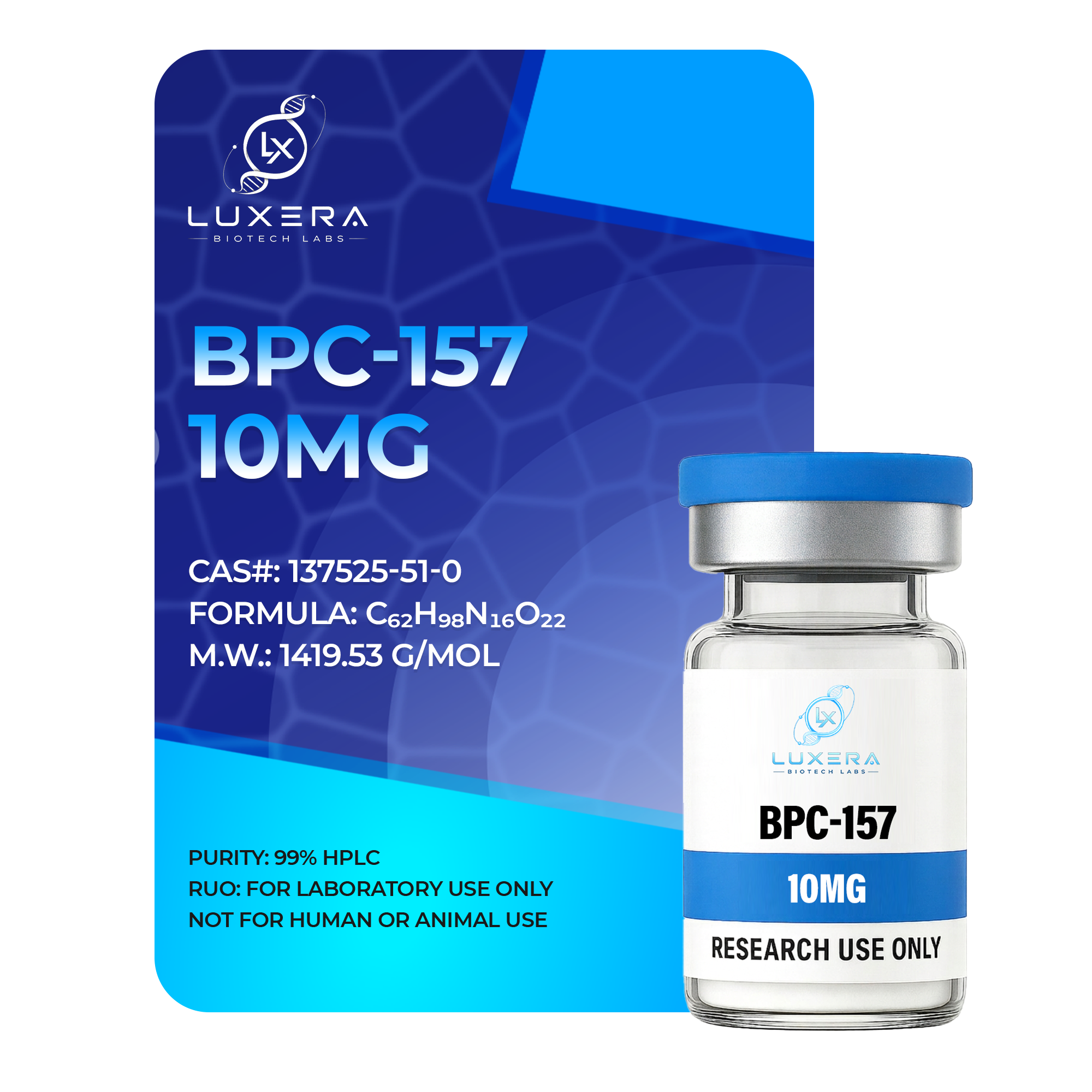
BPC-157
Price range: $49.00 through $69.00
BPC‑157 is a synthetic peptide fragment derived from human gastric juice protein. Investigated for its regenerative and cytoprotective properties, it modulates angiogenesis, nitric oxide pathways, and tissue repair, with preclinical evidence across musculoskeletal, gastrointestinal, and neurovascular injury models.
What Is BPC‑157?
BPC‑157 (Body Protection Compound‑157) is a stable synthetic pentadecapeptide fragment originating from a naturally occurring protein in human gastric juice. It has attracted significant research interest for its broad cytoprotective and regenerative potential, particularly in preclinical models of tissue injury and inflammation.
Mechanism of Action
BPC‑157 interacts with multiple molecular pathways, including modulation of angiogenesis via vascular endothelial growth factor (VEGF) signaling, nitric oxide synthesis, and upregulation of growth factor cascades. It enhances fibroblast migration, collagen deposition, and microvascular repair, contributing to accelerated wound healing. Additionally, BPC‑157 demonstrates protective effects against gastrointestinal mucosal damage, neurovascular injury, and musculoskeletal degeneration. Its pleiotropic activity is thought to arise from stabilization of endothelial junctions and modulation of inflammatory mediators.
Research & Clinical Data
Although not FDA‑ or EMA‑approved, BPC‑157 has been extensively studied in animal models. Evidence suggests efficacy in tendon‑to‑bone healing, gastric ulcer protection, spinal cord injury recovery, and counteraction of NSAID‑induced toxicity. Clinical trials remain limited, with ongoing investigations into its potential therapeutic role in human musculoskeletal and gastrointestinal disorders.
Purity & Quality
Reference‑grade peptide material. Certificate of Analysis available per batch. Regulatory status: investigational, not approved for therapeutic use.
Classification & Handling Class: Synthetic pentadecapeptide | Source: Human gastric juice protein fragment | Administration: Investigational, parenteral routes in studies | Storage: 2–8°C refrigerated, protect from light | Regulatory: Not FDA/EMA approved
| Dose | 5mg, 10mg |
|---|
Related products
-
All
NAD+
$89.00 Select options This product has multiple variants. The options may be chosen on the product page -
All
Kisspeptin-10
$79.00 Select options This product has multiple variants. The options may be chosen on the product page -
All
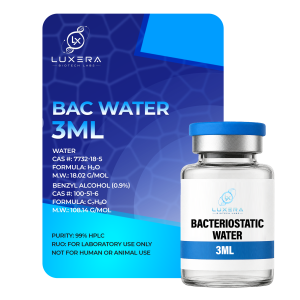
Bacteriostatic Water
Price range: $13.00 through $18.00 Select options This product has multiple variants. The options may be chosen on the product page -
All
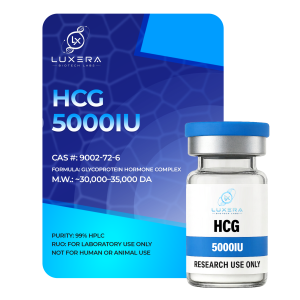
HCG
$69.00 Select options This product has multiple variants. The options may be chosen on the product page
Reviews
There are no reviews yet.