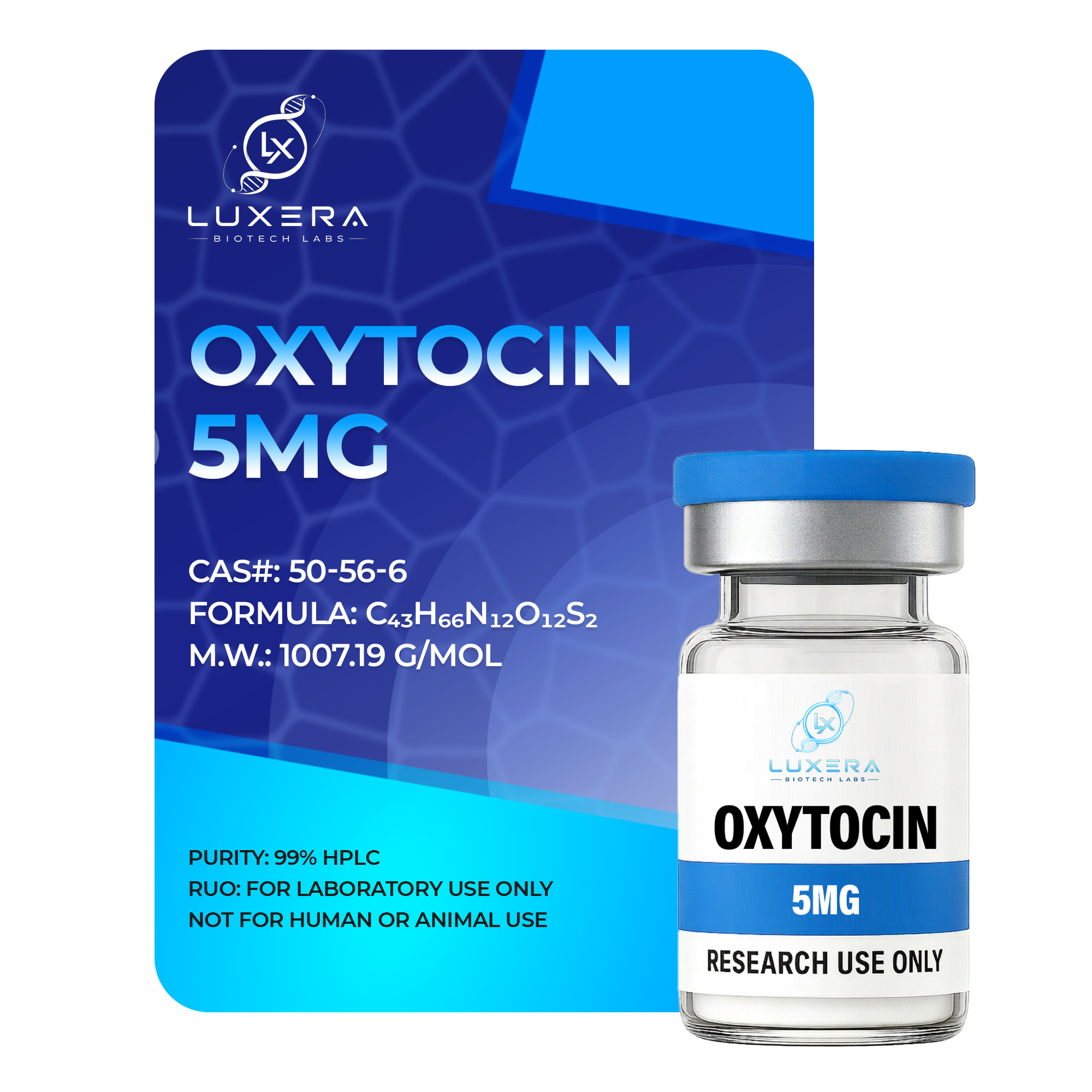
Oxytocin
$59.00
Oxytocin is a naturally occurring peptide hormone produced in the hypothalamus and secreted by the posterior pituitary. It regulates uterine contractions, lactation, and social bonding, with investigational roles in emotional regulation, stress response, and psychiatric research.
What Is Oxytocin?
Oxytocin is a peptide hormone and neuropeptide synthesized in the hypothalamus (paraventricular and supraoptic nuclei) and released by the posterior pituitary gland. It plays a central role in reproductive physiology, maternal behavior, and social bonding. Structurally, oxytocin is a nonapeptide closely related to vasopressin, another hypothalamic hormone.
Mechanism of Action
Oxytocin binds to oxytocin receptors (OXTR), which are G‑protein‑coupled receptors distributed across uterine tissue, mammary glands, and the central nervous system. In females, receptor activation stimulates uterine smooth muscle contraction during labor and milk ejection during lactation. In the brain, oxytocin modulates neurotransmission and neural circuits involved in trust, empathy, and social recognition. It also influences stress response by attenuating hypothalamic‑pituitary‑adrenal (HPA) axis activity.
Research & Clinical Data
Clinically, oxytocin is FDA‑approved for obstetric use, including induction of labor and postpartum hemorrhage management. Beyond reproductive medicine, oxytocin has been investigated in psychiatric and behavioral research, with studies exploring its potential in autism spectrum disorder, anxiety, depression, and social dysfunction. Results remain mixed, and therapeutic approval for these indications has not been established. Intranasal oxytocin delivery has been studied as a route for central nervous system effects, though regulatory consensus is lacking.
Purity & Quality
Pharmaceutical‑grade peptide hormone. Certificate of Analysis available per batch. Regulatory status: FDA‑ and EMA‑approved for obstetric indications; investigational in psychiatric and behavioral contexts.
Classification & Handling Class: Endogenous peptide hormone | Source: Hypothalamus, posterior pituitary | Administration: Intravenous, intranasal (investigational) | Storage: 2–8°C refrigerated, protect from light | Regulatory: Approved for obstetrics, investigational otherwise
| Dose | 5mg |
|---|
Related products
-
All
GHK-Cu
$49.00 Select options This product has multiple variants. The options may be chosen on the product page -
All
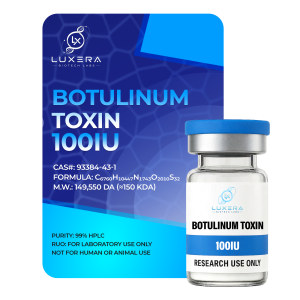
Botulinum Toxin
$199.00 Select options This product has multiple variants. The options may be chosen on the product page -
All
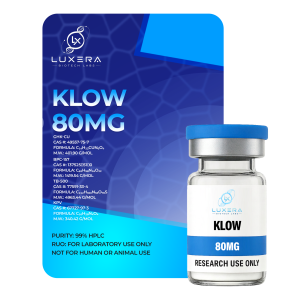
KLOW
$149.00 Select options This product has multiple variants. The options may be chosen on the product page -
All
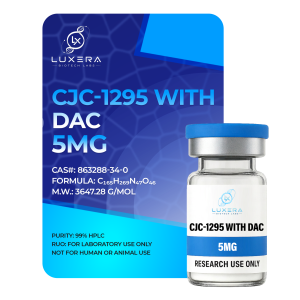
CJC-1295 with DAC
$89.00 Select options This product has multiple variants. The options may be chosen on the product page
Reviews
There are no reviews yet.